

The sea has never been smaller, but more exclusive. As the world was previously excited at the floating cities that can accommodate 7,000 passengers and even roller coasters, a silent revolution is being made. Cruise ship passengers are selling off Broadway theatres at sea in favour of the option of putting down anchor in a secret caldera in which only 200 passengers are permitted per day.
They are replacing all-you-can-eat buffets with dinners prepared by Michelin star chefs with fish that had been freshly caught that morning by a local fisherman who has neither seen a megaship in his lifetime. It is micro-cruising, the most rapidly expanding sector of the cruise industry, with over $150 billion, and by 2026, it will have more than 11 billion in annual revenue, and it is three times faster growing than the traditional cruise.
Between Floating Cities and Floating Private Clubs
It used to be the case ten years ago that the bigger the better. Ships increased in height, width, and length until they became a theme park, but on the water. Then something shifted. The same affluent travelling folks who had been in a mad scramble to secure the latest mega-liner started to question another question: What about the destination being the ship itself, and the ship being able to go to the place where no one could?
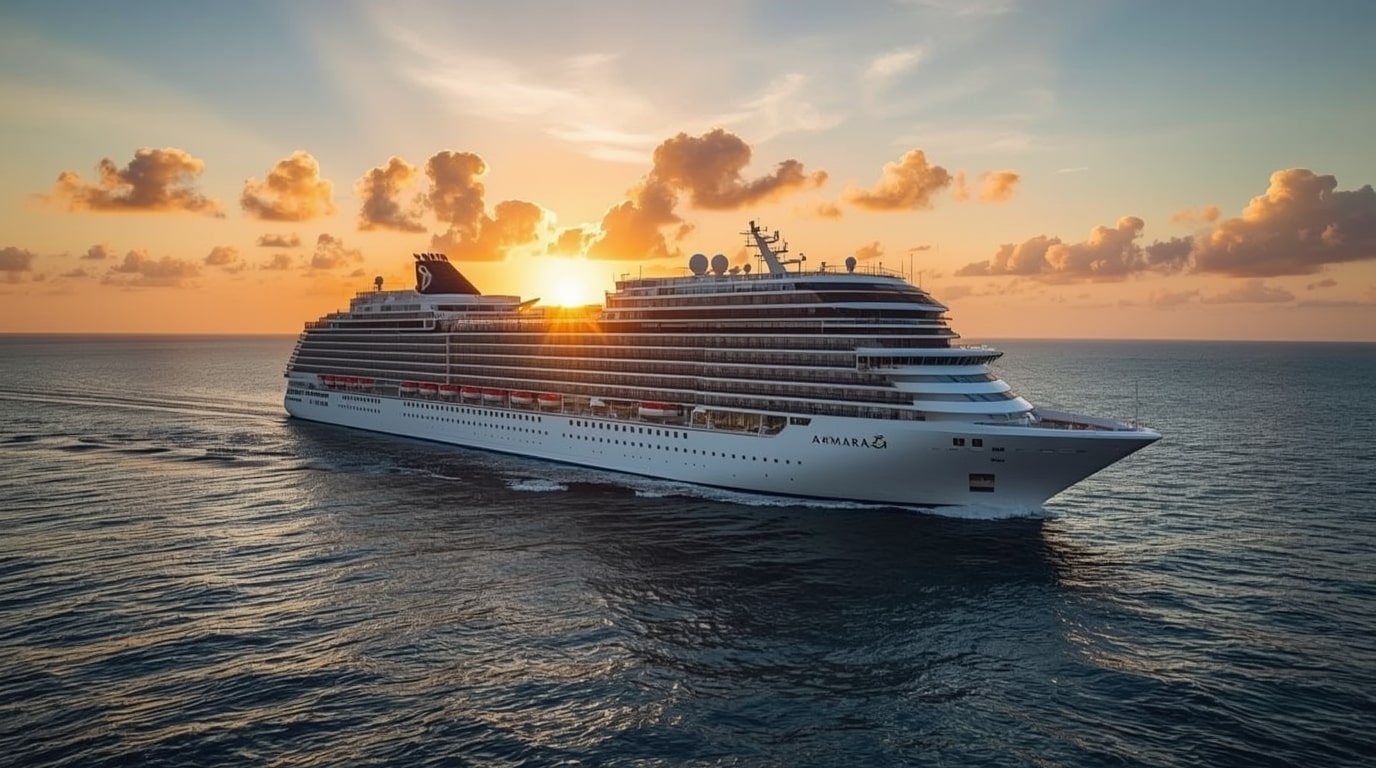
The solution came in ships of less than 750 passengers, usually nearer to a hundred or two hundred, and with a draft light enough to run aground in turquoise lagoons at which the large vessels can but fantasise. These do not downsize cruises. They are completely different animals: a combination of a private yacht with a part of an exploration platform, a part of a travelling home of those who have everything but time and exclusivity.
The Numbers Don’t Lie
The data on booking narrates the story in a brutal manner. Luxury small-ship lines have posted annual growth rates of 25-40% over the past two years, compared to the overall cruise sector taking off at low single digits.
One of the high-end operators in the Kimberley and Papua New Guinea had a 2025 season sell-out in eleven days, with 40% of its guests paying the entire fare over a year and a half ahead, something unheard of in traditional cruising.
There will be at least fourteen new micro-cruise ships that will be launched or put into service in 2026 with an approximate 4,800 additional berths, all in the luxury and ultra-luxury classification. That can be a humble statement when you understand that these berths earn three to five times the amount of money on each passenger compared to a normal ocean liner. When fares become an average of over $1,200 per person per day, north of that (and on some of the most premium lines, it is nearly always over 3000), the figures are too good to resist investors.

Where the Big Ships Cannot Go
It’s all the magic in the itinerary. As a 6,000-ton giant is forced to waste time in the same few ports as so many others, a 100-passenger ship can overnight in a Fijian Island whose name is not listed on the majority of maps.
It is able to secure the permits of Galapagos, which the bigger operators lost many years ago. It is also able to anchor for three days in the Paradise Bay of Antarctica since it has lesser numbers of people compared to the number of visitors allowed on a daily basis.
One of the captains talks about sailing his 184-passenger ship to a Norwegian fjord at 2 a.m. in the middle of the night sun. We, he says, were the only human beings within fifty miles. The visitors arrived on the deck in bathrobes and champagne. It is after that moment that they pay what they pay.
The New Port Economics
Smaller vessels are reinventing the economies of isolated communities. Even such destinations as Bequia in the Grenadines or the isolated Marquesas Islands would see one or two cruise visits annually, at most. Today, there are micro-cruise lines with twenty or thirty visits per season which plan their route with a fraction of the footprint.
Some locals who previously sold trinkets to thousands now lead small hikes of twelve at the same time, and earn in just a morning what it would have taken them an entire month to earn before the hikes were privatised.
One French Polynesian operator says that 87% of shore money used in the country remains local: visitors pay the vessel a sort of village day, and the vessel returns and pays the village directly to host their own lunches, dances, outrigger canoe lessons, etc. It has created a virtuous circle, communities conserve their culture since it has become their greatest economic resource, and guests go away with tales which no amount of money could write.
Reinventing Onboard Life
The lack of space on small ships has necessitated the need to reconsider the concept of luxury on board. There are no ice-skating rinks, no water slides, no climbing walls. Instead, designers offer one-to-one ratios between the crew and passengers, eight submarines, helicopters on the upper deck, and marina platforms that descend directly to the sea to kayak in the sunrise.
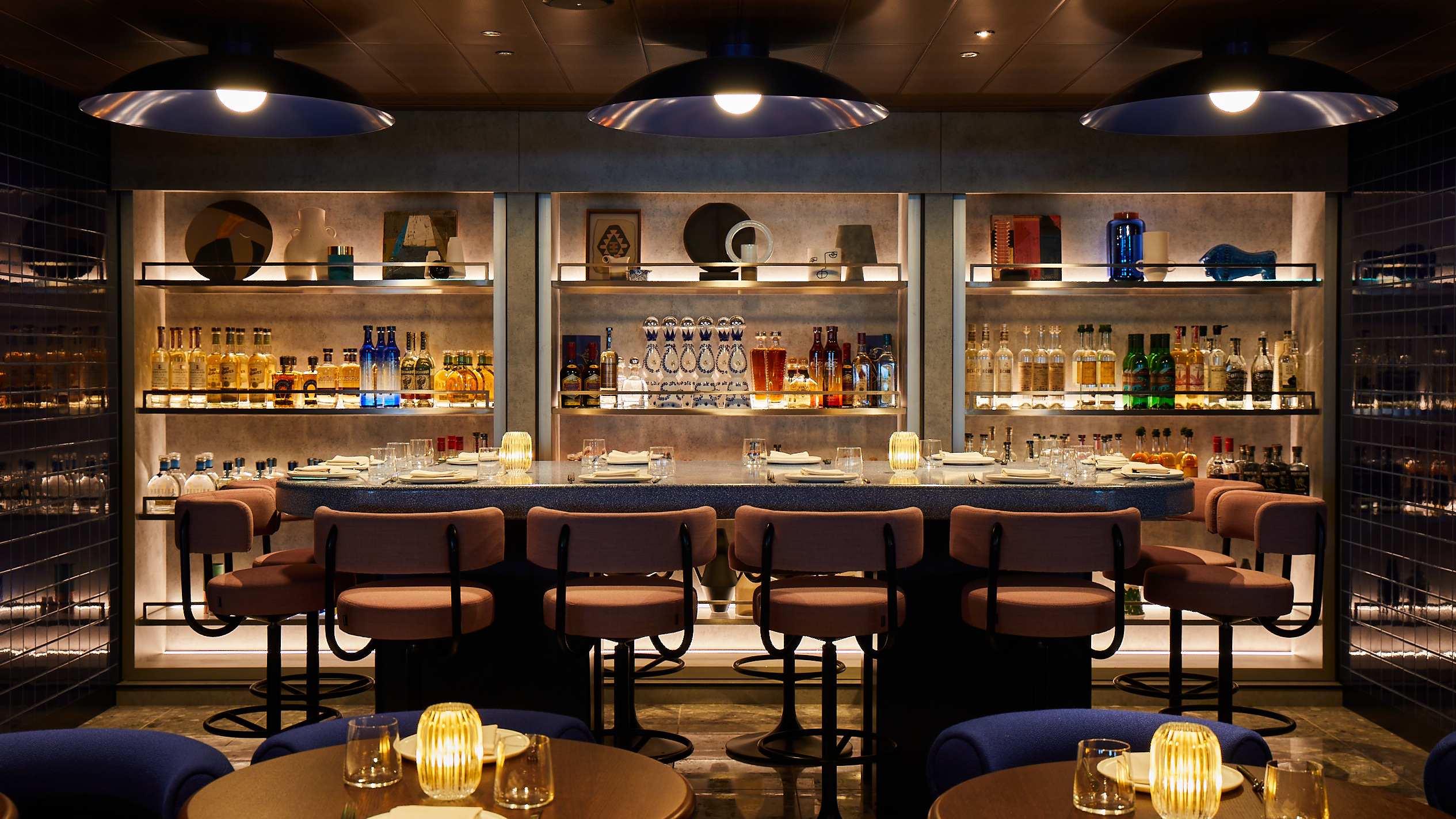
Eating has been turned dramatic in the finest sense. In one of the new ships launching next year, it will be a full reservation that will cover the entire voyage, unlike having to scramble for seating. On the first day, the chef greets the guests, inquiring about their allergies and dreams, and spends the cruise affecting them: sashimi of tuna shot that afternoon off Palau, lamb that a family will see the ship in three days in Patagonia.
The 2026 Watershed
Industry observers believe that the year 2026 will be the time when micro-cruising turns into a niche darling, as opposed to a mainstream disruptor. The well-established luxury brands are scurrying to place orders on smaller yachts, and the operators of the boutique that led the trend a decade ago now have wait lists to fill in several years, rather than months.
The final symbol, maybe, will come next summer, a 128-suite cruise liner, which will spend its maiden season cruising around Iceland, the two on board archaeologists, a submarine, and a fleet of zodiacs to search the ice-caves that the big ships will fly past at twenty knots. All the cabins are already booked within the next three years.
The cruise industry used to think that passengers demanded more, more restaurants, more entertainment, everything. Micro-cruising has proven the reverse: the modern-day traveller desires less sound, fewer people, and more globe. The smallest ships will navigate into the biggest future that the industry has ever seen in 2026. The era of the floating private club has started officially.