
The cruise market is going through a rough beginning of the holiday season with the health scares, enormous passenger numbers and new regulatory challenges dominating the headlines across the planet. With both festive itineraries and post-pandemic recoveries, the current developments have highlighted how the sector is resilient in the face of the constant challenges. It goes through gastrointestinal miseries aboard a world ship to Florida booms and trans-Atlantic environmental taxes, here is the heartbeat of the cruise business, on this frosty winter day.
Norovirus Strikes Carnival AIDAdiva Mid-World Cruise, Raising Health Concerns.
To give a chilling reminder of the post-gvaccination vulnerability, a norovirus outbreak has put more than 100 passengers and crew off the Carnival Corporation-operated AIDAdiva. The world cruise, which set off Hamburg in October, had 133 days reported as of last evening, and it was 101 confirmed cases, which led to more stringent sanitation measures and isolation of the medical bays. The U.S. Centers of Disease Control and Prevention health officials continue to be vigilant but the ship is still sailing with modified eating and entertainment periods.
The contagion, which was originally reported in the Mediterranean leg of the voyage, has struck about five per cent of the 2,500 souls on board, including the families taking holiday subjects in the Canary Islands.
The Carnival representatives stressed that norovirus, a viral stomach infection, is not an exception in the closed spaces such as cruises, but ensured that cleaning protocols are conducted with the use of electrostatic sprayers and hand-sanitising stations located at all doorway points.
The company wrote that its number one priority was the safety of guests. The victims are recuperating rapidly through onboard treatment, and we are sorry to cause them any inconvenience in what should be a dream cruise.
Analysts attribute this spike to the long route the ship has travelled and crossed through Europe, Africa and is now heading towards the Americas. The insurers of travel are receiving claims of disrupted plans, and other passengers have gone ahead to post videos of empty decks and silent buffets on social media.
This event reverberates a recurring 2024 outbreak on Royal Caribbean’s Icon of the Seas, where the use of booster shots and screenings prior to boarding is necessary. Since AIDAdiva is sailing to New York next week, the cruise line is promising to be open and can make reimbursements to the affected parties.
Port Everglades Milestone: More Than 4.7 Million Passengers in 2025 Sidewalk
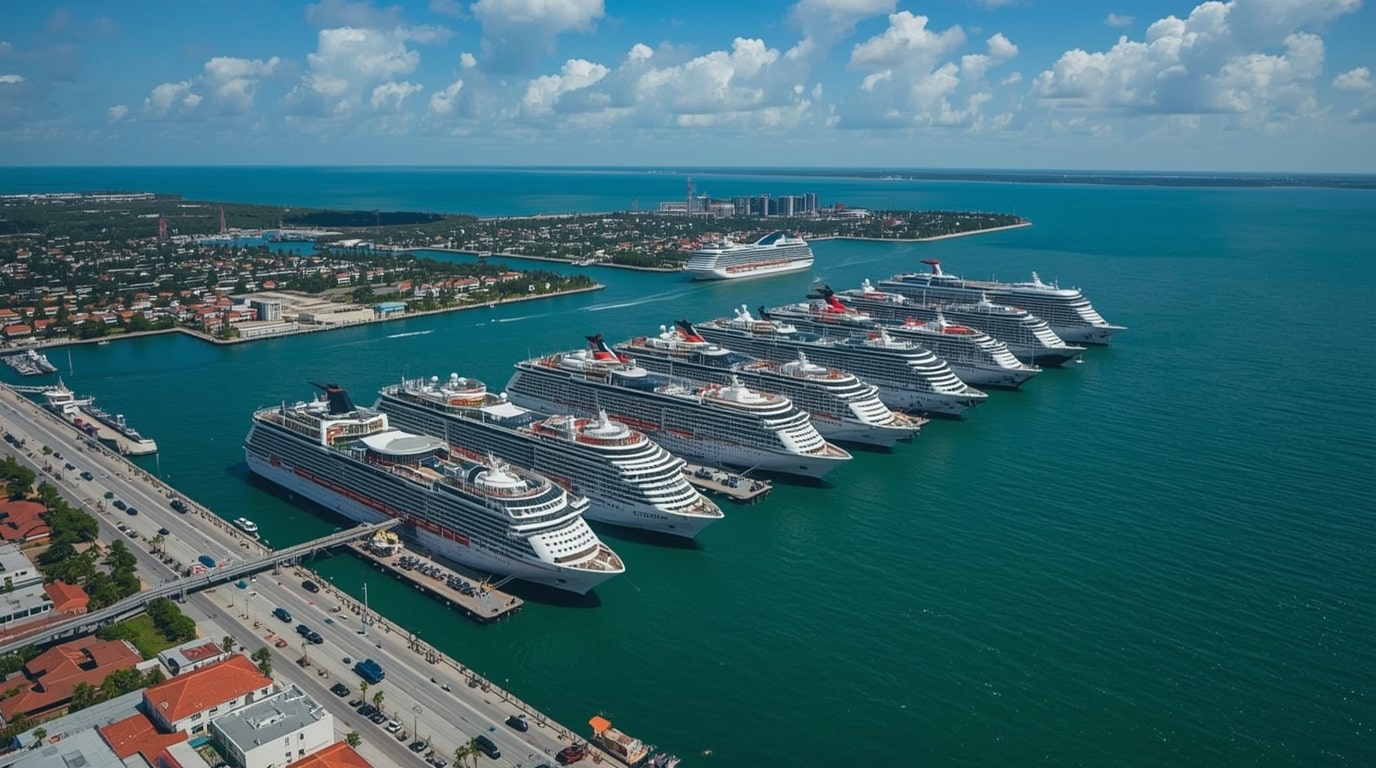
The Port Everglades, Florida, in a move to sunnier days, wrote its name in the history of the cruise industry by receiving over 4.7 million cruise passengers in the year, an increase of 16% over 2024. Fort Lauderdale, which is a hub for the likes of Celebrity and Norwegian, credited the boom to more sailings out of nearby Miami and new excursions on shore in the face of recovering tourism.
The figures were revealed through a plaque unveiling ceremony by port commissioners as the latest voyage of MSC Seascape arrived in the Bahamas. It is not only numbers but livelihoods that are being rekindled, this is what Port Director Glenn Wiltshire said.
The local vendors say that they are making a fortune off of selling items like artisanal key lime pie and environmentally friendly tours of the Everglades, and injecting millions into the local economy. As Port Everglades targets sustainable cruise market leadership by 2026, with 5 million projections, it is clear that with a new terminal that the future plans include green vessels.
That record is against the background of an industry-wide expansion, whereby the world bookings have increased by 12% year over year according to Cruise Lines International Association statistics. However, it also highlights the infrastructure pressure, such as State Road A1A congestion and demands improved public transportation connections. To travellers, it is a milestone that represents an increased number of options: imagine bioluminescent kayaking, where, under the stars, or sunset catamaran rides.
Passenger Tax: Green Levy or Ticket to Higher Fares, Approved by the French Senate.
On the other side of the ocean, the sustainability vs. affordability debate has been sparked by the enactment of a high cruise passenger tax by the French Senate yesterday. The move, dubbed Côte d’Azur Protection Fee, levies up to EUR30 ($32) per individual in large vessels visiting French ports, to be used in anti-pollution programs and reestablishment efforts in the coastal areas.
Its supporters rejoice that it is a crucial move in combating the excesses of overtourism in such star destinations as Nice and Cannes, where mega-ships have become a scourge with their emissions and people.
The argument by Senator Marie-Laure Boyer on the vote was that Cruises need to contribute their fair share towards the paradise they are getting their profit from. The money will support the mangrove planting and waste management, in accordance with the EU carbon-neutral targets, 2050.
The cruise industry, though, is threatening of a backlash. The cruise lines AIDA Cruises and Ponant, which have heavy French itineraries, are projecting a 5-10% fare increase to cover the expenses, which would discourage the low-end Europeans.
According to industry lobbyists at CLIA France, the tax they are being charged is punitive, as of late they have seen investments in LNG-powered ships such as the Resilient Lady by Virgin Voyages. Predictive modelling indicates a 7% downturn of Mediterranean bookings in case it remains undisputed.
Faced with the national assembly, operators are looking at compromises such as tiered rates on eco-certified vessels. In the meantime, the French ports prepare to face demonstrations on the part of the ecological movements and a prospective flight of itineraries to Spain or Italy.
In summing up these ripples, the present-day cruise chronicle is a mixture of warnings and glorious accounts. With the industry heading to 2026, health, hubs and harmony will sort out the direction of the industry. These stories are going to be continued to be told.